Jaw Pain & TMJ Treatment in Hamilton
TMJ & Jaw Pain Relief in Hamilton
Jaw pain can affect much more than just your mouth—it can influence your headaches, neck tension, sleep, and even how you concentrate during the day. Many people are surprised to learn how closely the jaw is connected to the rest of the body.
Osteopathic treatment focuses on identifying why the jaw is under strain and helping restore better balance, mobility, and nervous system regulation.
If you’re dealing with jaw pain, clicking, clenching, or headaches, you’re in the right place.
Common Symptoms of TMJ / Jaw Dysfunction
Jaw issues can show up in many ways, including:
Jaw pain or tenderness
Clicking, popping, or grinding sounds
Difficulty opening or closing the mouth fully
Clenching or teeth grinding (especially at night)
Headaches or pain around the temples
Ear pressure or discomfort without infection
Neck and upper shoulder tightness
Facial tension or fatigue when chewing or talking
What Causes Jaw (TMJ) Pain?
Jaw dysfunction is rarely isolated. It often develops due to a combination of factors such as:
Chronic stress and nervous system tension
Teeth clenching or grinding (bruxism)
Poor posture (especially forward head posture)
Neck and upper back restrictions
Jaw muscle overuse or imbalance
Previous dental work or bite changes
Concussion or head/neck injury history
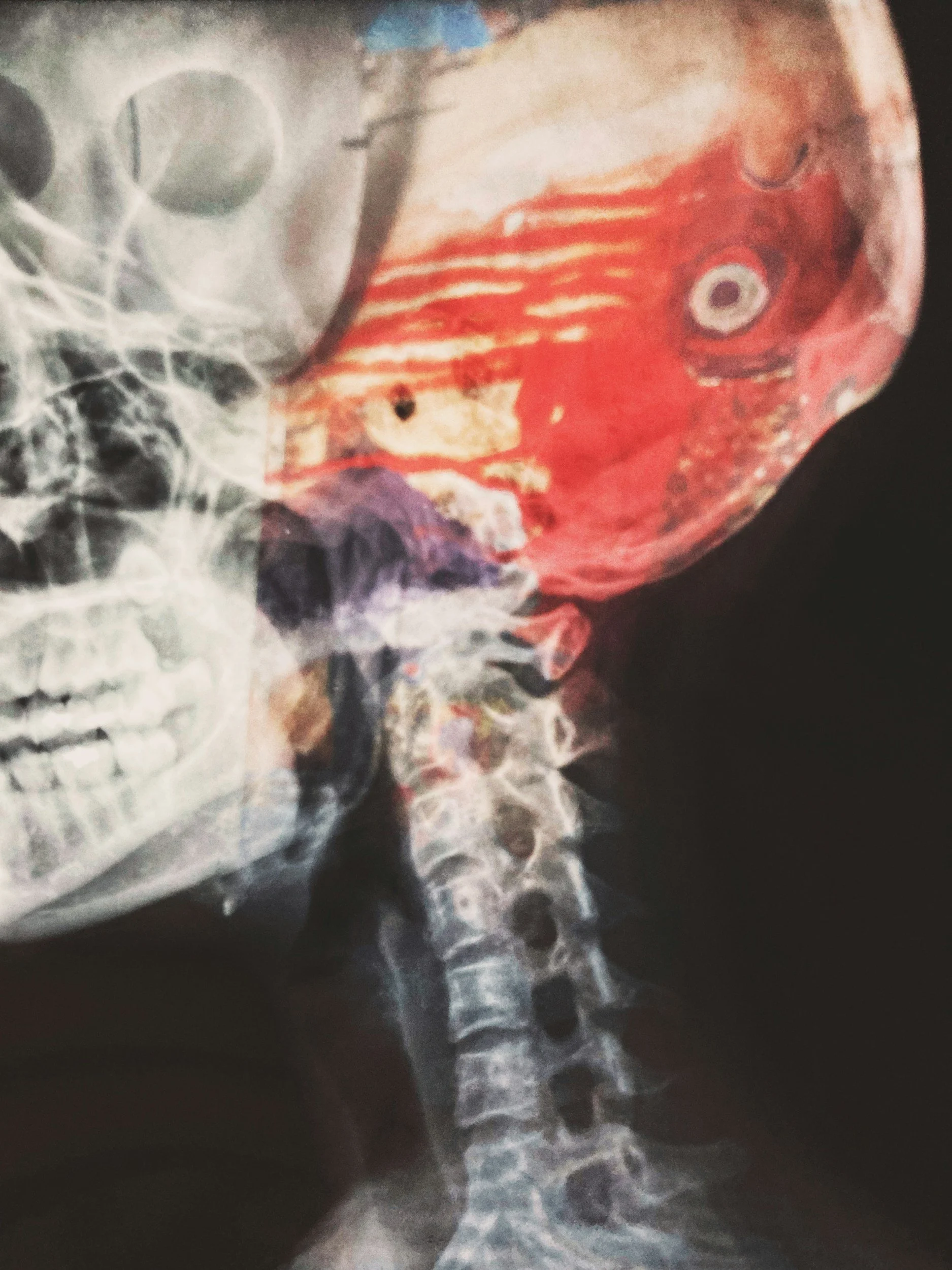
The jaw is deeply connected to the neck and cranial system—meaning dysfunction in one area often affects the other.
How Osteopathy Can Help TMJ Pain
Osteopathic treatment focuses on reducing strain throughout the system that influences the jaw—not just the jaw itself.
Treatment may help:
Reduce tension in jaw muscles (masseter, temporalis, etc.)
Improve jaw joint (TMJ) mobility and balance
Decrease neck and upper back compensation
Calm nervous system overactivation (stress/clenching cycle)
Reduce headache frequency and intensity
Improve overall function and movement coordination
The goal is not only symptom relief, but reducing the patterns that keep jaw tension coming back.
What to Expect in Your Appointment
Your visit includes:
A detailed discussion of your symptoms and history
Assessment of jaw, neck, and cranial mechanics
Gentle hands-on osteopathic treatment
Practical guidance if clenching or posture is contributing
Treatment is always gentle and adapted to your comfort level—especially in the jaw and cranial region.
Who This Is For
This treatment may be helpful if you experience:
Jaw pain, tension, or fatigue
TMJ clicking or locking
Stress-related clenching or grinding
Headaches linked to jaw or temple tension
Chronic neck tightness with jaw symptoms
Post-dental or bite-related discomfort
When to Seek Care
Jaw pain should be assessed if:
It is persistent or recurring
It affects chewing, speaking, or sleep
You experience frequent headaches with it
You notice worsening tension or jaw restriction
You are waking with jaw tightness or soreness
FAQ
Can osteopathy help TMJ disorders?
Yes—many TMJ symptoms are related to muscle tension, posture, and nervous system stress, which osteopathy can address.
Is treatment for jaw pain painful?
No. Treatment is very gentle and always adjusted to your comfort level, especially around the jaw and head.
Can jaw pain cause headaches?
Yes—jaw muscle tension is a very common contributor to tension-type headaches and temple pain.
Ready to relieve jaw tension and TMJ pain?
If jaw tightness, clenching, or headaches are affecting your daily life, osteopathic treatment can help restore balance and reduce symptoms.