TMJ & Jaw Pain Treatment in Waterdown & Hamilton
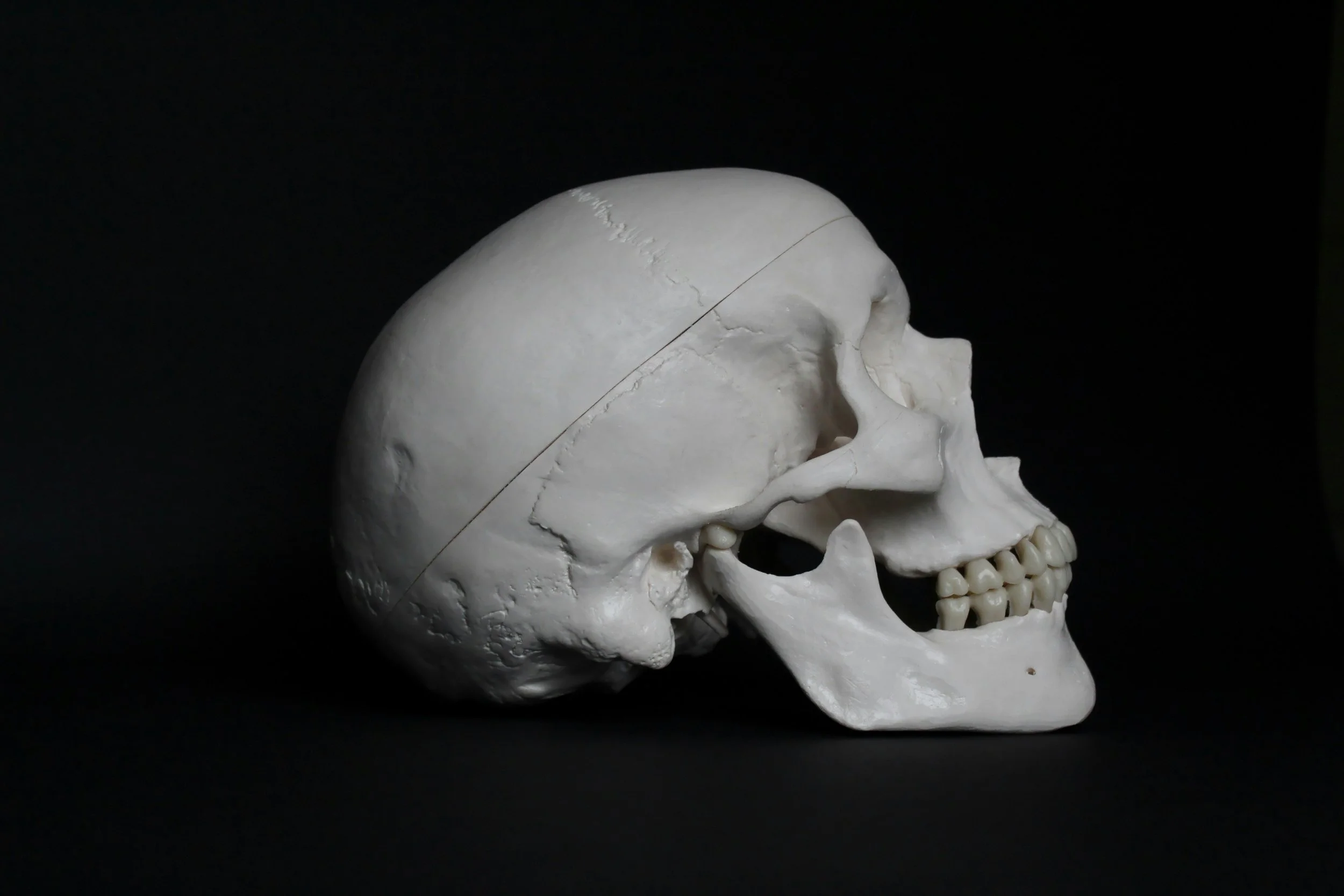
Osteopathic Treatment for TMJ Dysfunction
Jaw pain and temporomandibular joint (TMJ) dysfunction can affect much more than just the jaw. Many people experience symptoms such as clicking, tension, headaches, or discomfort when chewing, often without a clear understanding of why these issues are happening.
Osteopathy takes a whole-body approach, recognizing that the jaw does not function in isolation. Instead, it is closely connected to the neck, head, posture, and surrounding muscles and connective tissues.
Common Symptoms of TMJ Dysfunction
TMJ-related issues can present in a variety of ways, including:
Jaw pain or soreness
Clicking, popping, or locking of the jaw
Difficulty opening or closing the mouth fully
Tension in the face, temples, or around the ears
Headaches or migraines
Neck pain or stiffness
Teeth clenching or grinding (bruxism)
Symptoms may come and go, or gradually become more persistent over time.
Looking Beyond the Jaw
While the jaw is the site of symptoms, the underlying cause is often influenced by other areas of the body.
Factors that may contribute include:
Tension in the muscles of the face and jaw
Restrictions in the neck and upper back
Postural strain (especially forward head posture)
Stress and nervous system tension
Imbalances elsewhere in the body that affect overall alignment
Because of these connections, focusing only on the jaw may provide temporary relief, but not always lasting change.
An Osteopathic Approach to TMJ
Osteopathic treatment aims to address both the local tension around the jaw and the broader patterns within the body that may be contributing to the issue.
Using gentle, hands-on techniques, treatment may include:
Soft tissue and myofascial release around the jaw, face, and temples
Treatment of the neck and upper back to reduce contributing tension
Subtle work with the cranial bones to support overall balance
Addressing postural and whole-body patterns that may be influencing the jaw
This approach allows treatment to go beyond symptom relief and work toward improving how the jaw and surrounding structures function together.
The Role of Tension & Stress
The jaw is particularly sensitive to stress and nervous system tension. Many people unconsciously clench their jaw or tighten surrounding muscles during periods of stress, which can contribute to ongoing discomfort.
By helping to reduce tension within the tissues and support a more balanced nervous system, osteopathic treatment can play a role in breaking these patterns and improving overall comfort.
When to Seek Treatment
Osteopathic care may be helpful if you are experiencing:
Ongoing or recurring jaw pain
Clicking or restriction that isn’t improving
Jaw symptoms alongside headaches or neck tension
Symptoms that worsen with stress
Limited improvement with other approaches
Early treatment can help prevent symptoms from becoming more persistent, but care can also be beneficial for long-standing issues.
A Whole-Body, Individualized Approach
Every case of TMJ dysfunction is different. Treatment is always adapted to your specific symptoms, history, and contributing factors.
By looking at how the jaw relates to the rest of the body, osteopathy aims to restore more natural movement, reduce tension, and support lasting improvement in comfort and function.
Mark Boutillier is a Manual Osteopathic Practitioner (DOMP) practicing in Waterdown, Ontario