Visceral Therapy for Digestive Health in Waterdown & Hamilton
Visceral manipulation is a gentle form of manual osteopathic treatment that works with the organs and surrounding connective tissues (fascia) of the abdomen and pelvis.
While often associated with digestion, this approach also recognizes the important relationship between the organs, musculoskeletal system, breathing mechanics, and nervous system.
In practice, treatment does not focus only on the organs themselves, but on how tension, restriction, and pressure within the body may be influencing how these systems function together.
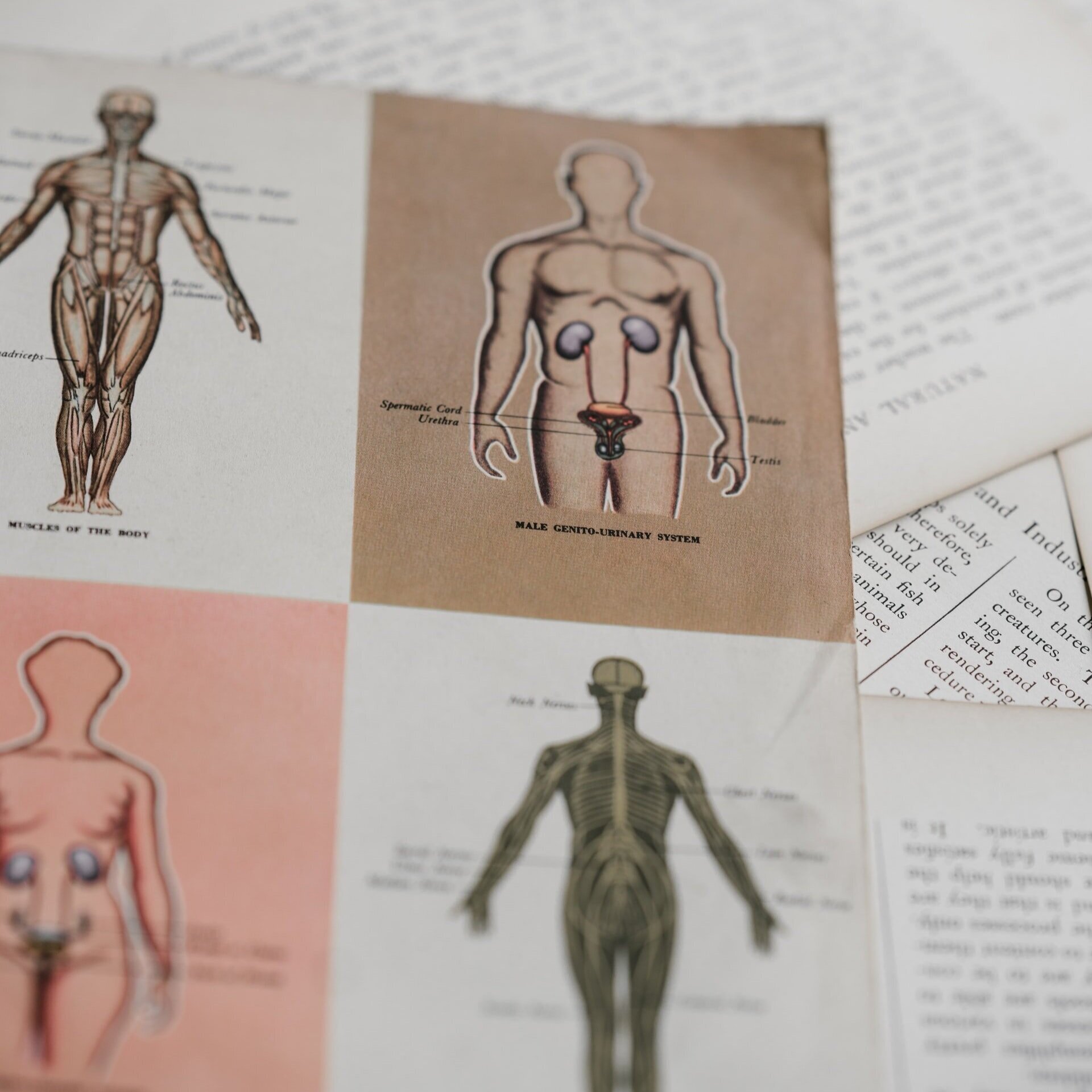
A Modern Understanding of Visceral Tension
The organs are supported and connected by a continuous network of fascia that links structures such as the liver, diaphragm, stomach, and intestines to the rest of the body. When this system is moving well, it allows for:
Efficient breathing and pressure regulation
Healthy digestion and organ mobility
Balanced movement throughout the body
However, restrictions can develop within this system due to:
Past injuries or surgery
Scar tissue
Pregnancy and delivery
Digestive irritation or infection
Poor posture or prolonged sitting
Chronic stress and nervous system tension
Over time, this can lead to a more restricted and less adaptable system, which may contribute to symptoms such as digestive discomfort, bloating, or even pain in other areas of the body.
The Role of the Diaphragm & Breathing
One of the most important connections in this system is the diaphragm — the primary muscle of breathing.
The diaphragm plays a key role in:
Creating pressure changes that support digestion
Influencing the position and mobility of abdominal organs
Connecting the ribcage, spine, and core
When breathing is restricted or shallow, it can contribute to increased tension throughout the abdominal cavity, affecting both digestion and overall movement.
Treatment often includes working with the diaphragm and surrounding fascial structures to help restore more natural movement and pressure balance within the body.
An Osteopathic Approach to Digestive Concerns
Rather than treating digestion in isolation, osteopathy looks at how the body is functioning as a whole.
Using gentle hands-on techniques, treatment may include:
Myofascial release of the abdomen and surrounding tissues
Improving mobility around the diaphragm, ribcage, and spine
Addressing tension patterns that may be affecting organ movement
Supporting nervous system regulation, particularly in relation to stress
This approach can help improve how the body moves, regulates, and functions, which in turn may positively influence digestive symptoms.
Conditions That May Benefit from Visceral Manipulation
Osteopathic treatment may help support individuals experiencing:
Bloating and constipation
Irritable bowel syndrome (IBS)
Acid reflux and nausea
Digestive discomfort or sluggish digestion
Pain related to post-operative scar tissue
Chronic pelvic pain
Low back or abdominal tension
Headaches and migraines linked to tension patterns
It may also be helpful in cases where symptoms feel persistent, complex, or not fully explained by a single cause.
A Whole-Body Perspective
The body does not separate digestion, movement, and stress — they are closely interconnected.
Tension within the abdomen can influence the spine and posture, while stress and nervous system overload can directly affect digestion and how the body holds tension.
By working with these connections, visceral manipulation offers a way to address deeper patterns within the body, rather than focusing on isolated symptoms alone.
Gentle, Individualized Care
Treatment is always adapted to your comfort level and individual history. Techniques are gentle and non-invasive, working with the body’s natural responses rather than forcing change.
Mark Boutillier is a Manual Osteopathic Practitioner (DOMP) practicing in Waterdown, Ontario